
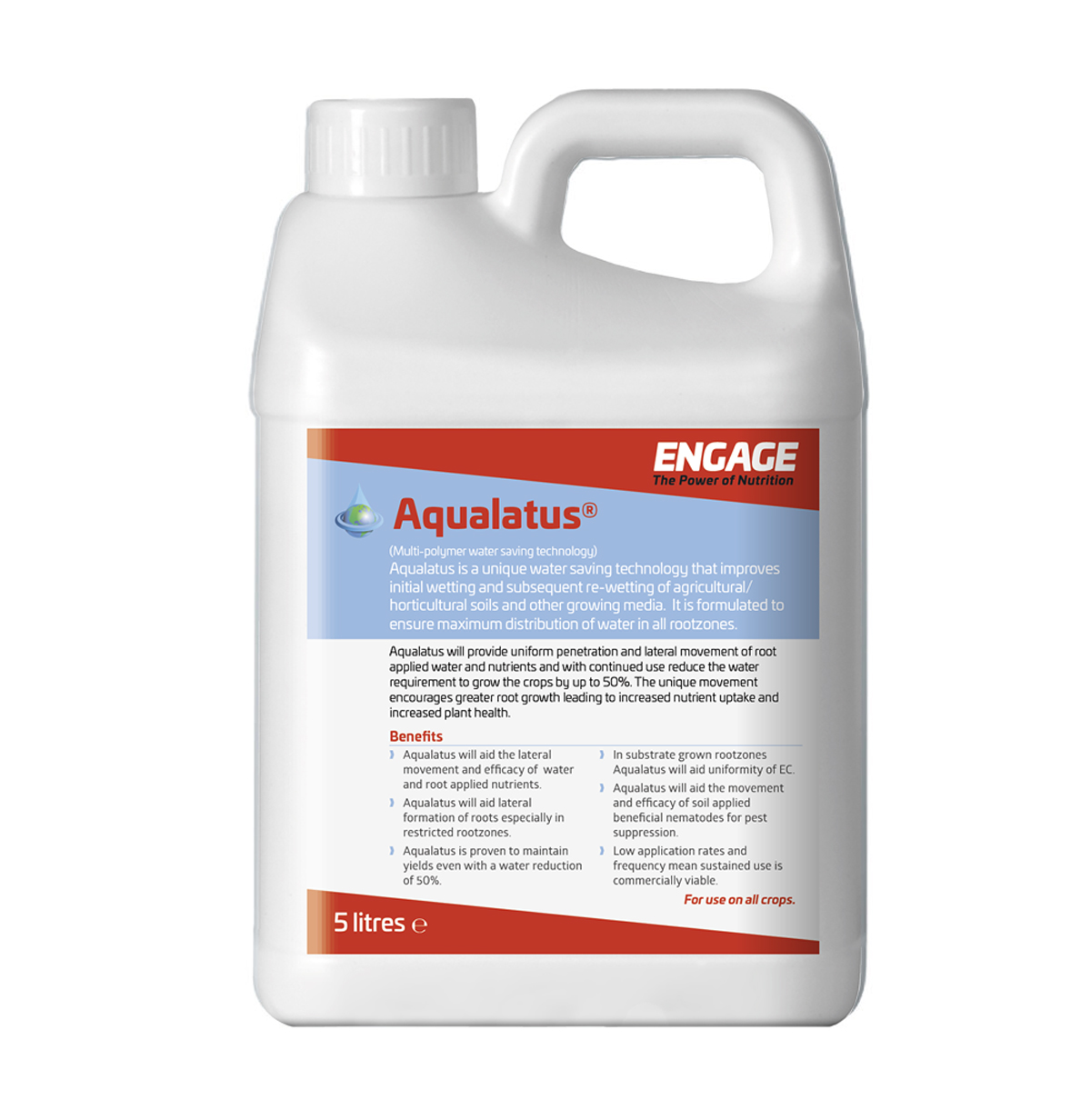
Is there such thing as wetter water….
Agriculture in the Pacific Northwest is a multi-billion dollar industry, but it faces an increasingly pressing challenge: water scarcity. Farmers growing staple crops like potatoes, onions, hops, tree fruit, dryland grains, and alfalfa rely heavily on irrigation, as annual rainfall is often insufficient to support commercial production.
The introduction of Aqualatus, a water-efficient soil technology, presents a groundbreaking opportunity to reduce water usage by 20-40% while maintaining or even improving crop yields. This report explores the water impact of key crops by state, their irrigation challenges, and how integrating Aqualatus can enhance both sustainability and economic viability.
Water Usage by Crop and State
Potatoes – Idaho, Washington, Oregon
- Idaho is the nation’s largest potato producer, cultivating 330,000 acres.
- Washington follows with 165,000 acres, and Oregon adds another 38,000 acres.
- Water Demand: Potatoes require 18-24 inches of irrigation per season.
- Rainfall: Idaho averages 10-14 inches, while Washington’s Columbia Basin receives less than 10 inches, making irrigation essential.
- Challenges:
- Groundwater depletion limits acreage expansion.
- Uneven soil moisture leads to quality defects like hollow heart and sugar ends.
- Heat stress in July and August increases irrigation pressure.
Onions – Idaho, Oregon (Treasure Valley)
- The Treasure Valley region grows 20,000+ acres of onions.
- Water Demand: Requires 30 inches of water per season.
- Rainfall: Only 10-12 inches annually, necessitating drip, overhead, or furrow irrigation.
- Challenges:
- Drip irrigation struggles with uniform wetting patterns, leading to outer bed drying.
- Overhead irrigation increases disease risk.
- Furrow irrigation wastes water through evaporation and runoff.
Hops – Washington, Idaho
- Washington dominates U.S. hop production, growing 33,000+ acres.
- Idaho follows with 5,800 acres.
- Water Demand: Requires 24-28 inches of water per season.
- Challenges:
- Peak water demand occurs during July and August, straining irrigation systems.
- Deficit irrigation reduces yields, making traditional conservation methods ineffective.
- Water restrictions impact hop farm expansion.
Tree Fruit – Washington, Oregon, Idaho
- Washington alone grows over 250,000 acres of apples, cherries, pears, and stone fruit.
- Water Demand: Requires 24-36 inches of water per season.
- Challenges:
- Uneven moisture distribution impacts fruit size and quality.
- Rising irrigation costs threaten orchard profitability.
- Water restrictions limit new orchard development.
Dryland Farming – Washington, Oregon, Idaho
- Over 5.5 million acres of dryland farms produce wheat, barley, and pulses.
- Water Demand: Fully dependent on rainfall, averaging 10-16 inches annually.
- Challenges:
- Rainfall variability leads to inconsistent yields.
- Drought years cause severe production losses.
- Water conservation limits crop diversification opportunities.
Alfalfa – Utah
- Utah cultivates 760,000 acres of alfalfa, making it one of the largest agricultural water consumers.
- Water Demand: Uses 5 acre-feet per acre per season, totaling 3.46 million acre-feet annually.
- Challenges:
- Water rights issues and drought are restricting production.
- Environmental concerns over the Great Salt Lake’s decline create regulatory pressure.
- Inefficient irrigation practices waste significant amounts of water.
Aqualatus Benefits:
- Optimizes water infiltration and distribution, ensuring consistent fruit sizing.
- Reduces water needs by up to 40%, allowing for lower production costs.
- Enhances soil moisture retention, preventing over-saturation and dry spots.
- Minimizes heat stress, improving quality and marketable yield.
- Allows for continued production under water restrictions.
- Improves soil hydration, increasing stand longevity and hay quality.
Final Thoughts: Aqualatus as a Scalable Solution
Water conservation is no longer an option—it is a necessity. As droughts, regulatory pressures, and rising costs continue to challenge farmers across the Pacific Northwest and beyond, integrating Aqualatus offers an immediate, scalable solution. With the ability to reduce irrigation needs by up to 40% while maintaining yield and crop quality, this technology provides a financially viable and environmentally sustainable path forward.
For decision-makers in agriculture, now is the time to invest in solutions that make the most of every drop of water. By implementing Aqualatus, we can secure the future of our most valuable crops while ensuring responsible water stewardship for generations to come.
If you are interested in the 300 plus trials already done around this product line email us and we will send it to you: office@regenagnation.com


